A novena is a Catholic devotion usually prayed over nine days for a particular intention or in preparation for a feast. It can be private or shared with a parish or shrine. The pattern gives prayer a regular place; it does not create a guarantee about an answer or a deadline for a miracle.
If you have never prayed one, begin by choosing a trustworthy prayer text and one intention. You do not need to learn every devotion before you start. This guide helps you understand the pattern, choose among available forms, and follow a simple plan.
What does “novena” mean, and why nine days?
The word is connected with the Latin word for nine. The Dominican Shrine of Saint Jude’s explanation connects the devotion with the disciples’ prayer while awaiting Pentecost and emphasizes that the number is not magical. Acts 1:12–14 describes the gathered community continuing in prayer.
Distinguish that devotional connection from claiming that Acts gives a prescribed modern novena formula. It does not. Present-day novenas have different texts and purposes. A parish or shrine can explain the particular form it uses.
Some novenas address God directly. Others include asking Mary or a saint to intercede, meaning to pray with and for the person bringing the intention. That setting is specifically Catholic; Christian traditions differ in their practice of invoking saints.
How do I choose a novena?
Start with the need you want to bring to prayer, then look for a clear text from a parish, shrine, religious community, or another identifiable Catholic source. Look for an explanation of when to pray it and whether the wording changes each day.
- For one steady pattern: choose a prayer repeated on each of nine days.
- For daily reading and reflection: choose a guide with a separate focus for each day.
- For shared prayer: follow a parish or shrine’s announced program rather than assuming its dates match another program.
Read the whole guide before beginning. Be cautious about messages that demand forwarding, payment, public testimony, or a precise emotional response as the condition for receiving an answer. A clear devotion should help you pray, not put you under pressure to satisfy a chain message.
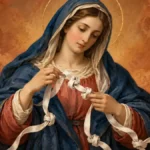
Our St. Joseph novena guide focuses on family, work, and ordinary responsibility. The Mary Undoer of Knots guide offers reflections for tangled concerns. Each links to an established devotional source and labels its original companion writing.
How to pray a novena for the first time
- Name an intention. A sentence is enough: “I am asking for wisdom and support as I look for work.” You may make a direct request without predicting how it will be answered.
- Choose the text. Save the source or keep a simple bookmark so you can find the same guide again.
- Choose a realistic time. A few attentive minutes may fit your day better than a long session you feel unable to keep.
- Pray the day’s text. Follow the particular guide’s instructions. Leave room for your own words if you wish.
- Continue with ordinary responsibilities. Prayer can accompany seeking advice, giving care, making a call, or accepting support.
You can pray aloud or silently. If someone joins you, agree on a pace that allows everyone to participate. Ask before sharing another person’s circumstances with a group, and keep details as private as they wish.
A practical plan for your first nine days
This original planning companion can sit alongside the novena you choose. It is not a replacement for that devotion’s established prayer text, and it does not add obligations to it.
- Day 1: write the intention in one clear sentence.
- Day 2: note what part of the concern is within your responsibility.
- Day 3: ask whether someone else’s privacy needs protecting.
- Day 4: identify one person or community from whom you can receive support.
- Day 5: bring disappointment or frustration into prayer honestly.
- Day 6: give thanks for a particular act of care without forcing a positive interpretation of everything.
- Day 7: consider whether a useful conversation or practical step is being postponed.
- Day 8: pray for someone else involved, respecting their freedom and choices.
- Day 9: decide how you want to continue praying and receiving support after the nine days.
You may keep a brief record, but there is no requirement to produce a journal. A date and a few words are enough if keeping track helps. If a list becomes a source of pressure, use the prayer text on its own.
Is a perpetual novena the same as nine consecutive days?
Not always. “Perpetual” describes a devotion that continues on a recurring schedule. For example, our Miraculous Medal guide distinguishes the shrine’s Monday perpetual devotion from a personal nine-day companion. Check the particular source’s schedule instead of assuming every use of “novena” means an identical calendar.
A feast-related novena may have announced start and finish dates. A private intention may be brought to prayer at another time. If you are participating with a community, its published directions are the most useful guide for that shared practice.
Questions about beginning a novena
What if I miss a day?
For a private original companion like the planning guide here, resume when you can. If you follow a particular shrine or parish program, use its directions or ask its pastoral staff. Missing a session is not evidence that you caused a bad outcome.
Do I need a candle, medal, or donation?
No object or payment is a step in this beginner’s plan. Optional devotional objects may help some people focus, but you can begin with the prayer text and your intention. Do not let a missing object become a reason to avoid prayer.
Can I pray for someone who is ill?
Yes. Ask respectfully what they welcome and continue appropriate care. Do not promise them a cure or tell them an unresolved illness means their prayer was inadequate.
What happens after day nine?
You may continue the same prayer, choose another pattern, or bring the intention into ordinary daily prayer. Give attention to what support and action are still needed. The calendar ending does not mean the concern has become unimportant.
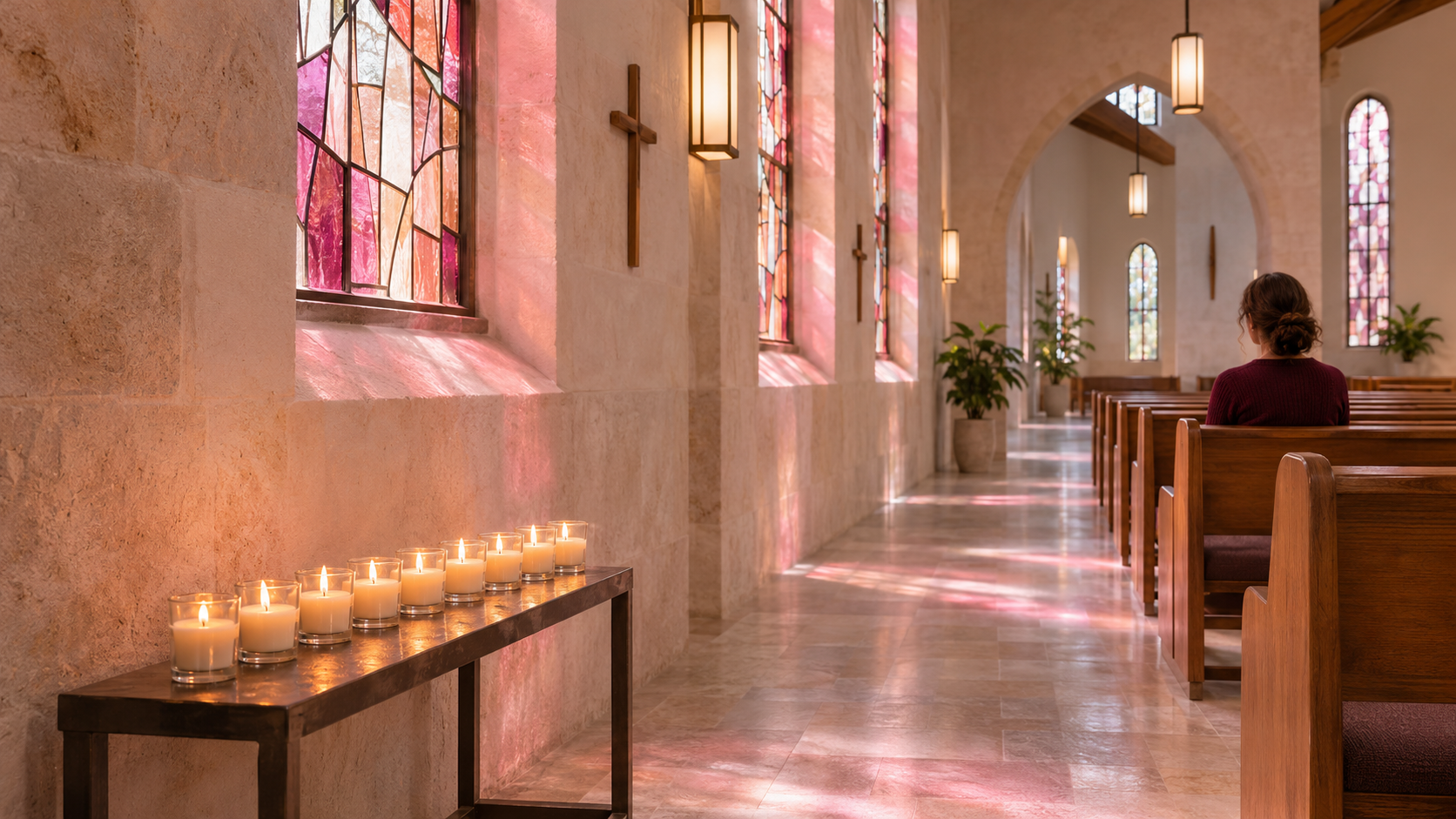
Definitions and devotional context are linked to the Dominican Shrine and Acts 1. All planning prompts are original. No traditional prayer booklet is reproduced. The chapel image is an original AI-generated illustration, not a photograph of a named shrine.